
-
 CHF 24.00
incl. 8.1% VAT, plus shipping
incl. Swiss VOC levy
Out of stock
-
-
-
-
-
 fromCHF 15.00
incl. 8.1% VAT, plus shipping
incl. Swiss VOC levy
-
 CHF 17.00
incl. 8.1% VAT, plus shipping
incl. Swiss VOC levy
Out of stock
Buying guide: Which product is right for which furniture leather?
Most leather furniture is made from pigmented smooth leather, but there are significant differences in material and processing. A simple water-drop test shows which type of leather you have: if the drop beads up, it is smooth leather. If it is absorbed and darkens the colour, it is aniline leather or suede.
Pigmented smooth leather
This type of leather has a protective colour coating on the surface and is relatively easy to care for. It is the standard for most leather sofas. Clean new leather up to three years old as needed and seal it every 3 to 6 months. Older leather must be cleaned before each care treatment and then treated with a replenishing care lotion for greater suppleness and a longer service life. Do not use aggressive cleaning agents. For quick everyday cleaning, a slightly damp cloth is sufficient. A replenishing care lotion subsequently provides essential protection against drying out and fading caused by sunlight. Colour wear and dry cracks on heavily used seating surfaces can be concealed or refreshed with a colour restoration product in the appropriate colour.
Aniline leather
Aniline leather is open-pored and has no colour coating. It is considered the most sensitive but also the most beautiful material for leather furniture. Leather is a natural product with a vibrant appearance, and this is particularly evident in aniline leather. Careful handling from the outset is the best protection: depending on how open-pored it is, impregnation or Aniline Cream protects it against stains and moisture. Once stains have been absorbed, cleaning alone often cannot remove them, so prevention is more important here than with any other type of leather. Older aniline leather also needs regular replenishment of its oils, which provides additional protection against fading caused by sunlight.
Suede and nubuck
Suede has a warm, velvety feel, but over time it more readily develops shiny, greasy areas and fades more quickly. Slightly greasy areas can be roughened with a Sanding Pad and Eraser Block; treat more stubborn dirt carefully with a slightly damp cloth. Microfibre cloths should generally be avoided on sensitive suede because they increase wear on the velvety structure. Wet cleaners have little effect. A special suede colouring product is suitable for restoring the colour, but the leather will no longer look like new.
Artificial leather
Artificial leather is robust, easy to care for and tolerates moisture well, but it ages differently from genuine leather. After cleaning, a special Protector safeguards the surface and slows down ageing. Small tears can be filled with Fluid Leather, but if the material breaks open over a large area, there is usually no durable repair.
PU split leather
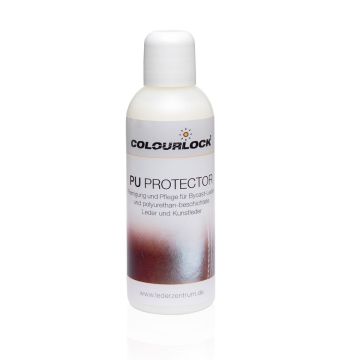
PU split leather looks like smooth leather but is coated and must be treated completely differently. Conventional leather care products tend to attack the coating rather than care for it. Headrests and armrests in particular therefore need a special Protector.
Applications
Leather sofas and leather armchairs are the most common types of leather furniture in the home, but benches and stools also benefit from the same care.
Do you also use leather outside the living room, for example in the car or as leather clothing? You will find suitable products in our other categories.
Cleaning and caring for a leather sofa: the most important steps
- Clean: Apply leather cleaner to a soft cloth, never directly to the leather, and wipe the surface in circular movements from seam to seam. Use a soft cleaning brush for heavy soiling; regular dusting is sufficient for light soiling.
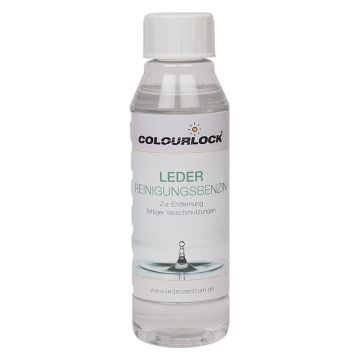
- Degrease before repairs: Before any colour restoration, also degrease the area with Leather Cleaning Spirit. This significantly improves adhesion.
- Care: Once dry, apply a care lotion or sealant and polish with a soft cloth, using small amounts regularly rather than a large amount infrequently. This protects the surface and noticeably extends the service life and longevity of your leather sofa.
A few final tips: Forget conventional household tips such as washing-up liquid or soapy water, as they attack the different types of leather to varying degrees. Thorough cleaning and care every 3 to 6 months is the best protection. You will find details about individual types of damage in our comprehensive advice guides.
Frequently asked questions about caring for leather furniture
How can I tell which type of leather my sofa is made from?
A drop of water on an inconspicuous area will tell you: if it beads up, it is smooth leather. If it is absorbed and darkens the area, it is aniline leather or suede.
How often should I care for or grease my leather sofa?
New leather primarily needs protection, whereas older leather furniture requires regular care with replenishment of its oils every 3 to 6 months. A small amount applied regularly works better than large amounts applied infrequently.
Can I clean my leather sofa with household products?
We generally advise against this. Vinegar, olive oil and aggressive cleaning agents damage the surface and make stains worse. A specialist leather cleaner is the safer choice.
What should I do if the colour coating is peeling off my leather furniture?
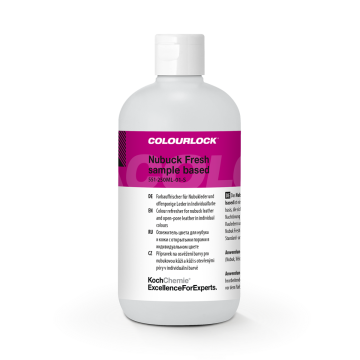
Do not pull at loose areas or use intensive wet cleaning, as this will increase the damage. Minor cases can be treated successfully at home: loose edges are best fixed with a specialist leather adhesive. The area is then degreased and blended back in with a suitable colour restoration product, such as Leather Fresh, so that the colour difference is no longer visible. For colour peeling over a large area, we recommend a professional assessment.
Can cat scratches on a leather sofa still be repaired?
Often yes, depending on the type of damage. Colour differences can usually be blended in successfully, but a completely invisible repair is not realistic for deeper tears.