
-
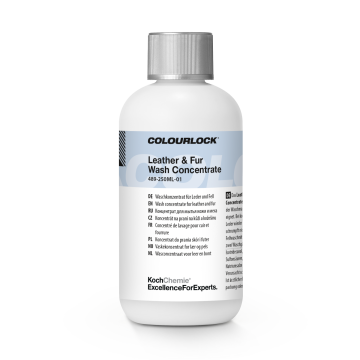 fromCHF 32.00
incl. 8.1% VAT, plus shipping
-
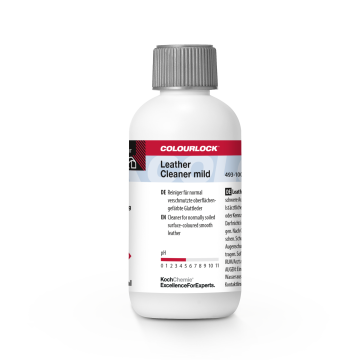
-
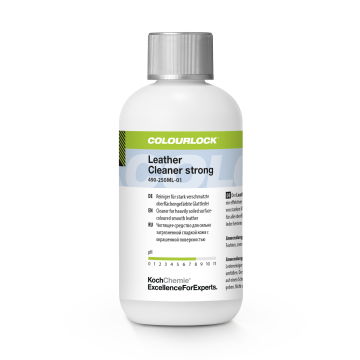 fromCHF 37.00
incl. 8.1% VAT, plus shipping
incl. Swiss VOC levy
-
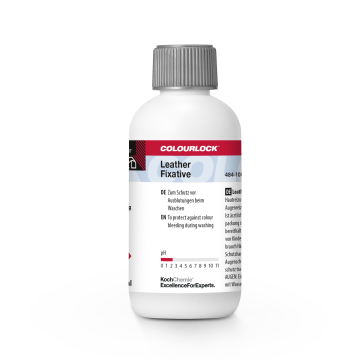 fromCHF 15.00
incl. 8.1% VAT, plus shipping
incl. Swiss VOC levy
-
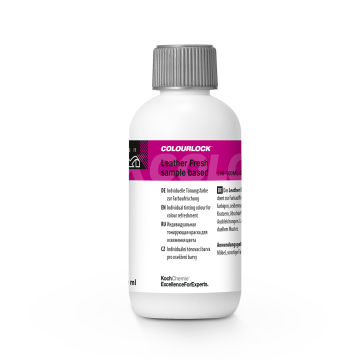 fromCHF 27.00
incl. 8.1% VAT, plus shipping
incl. Swiss VOC levy
Buying guide: Which care product is right for your type of leather?
The right leather care always depends on the type of leather, not on the garment. A simple tip helps determine the leather type: rub a drop of water onto a concealed area. If it beads up, the material is pigmented smooth leather. If it is absorbed, the material is open-pored leather, usually aniline leather or suede.
Pigmented smooth leather
This is the most robust and easiest type of leather to care for and is typical of leather jackets, motorcycle clothing and leather trousers. Depending on use and condition, small scratches develop over time and can be evened out with a colour restoration product. For care, it is sufficient to apply leather grease or leather balm once or twice a year to keep the surface supple and extend its service life.
Open-pored smooth leather (aniline leather)
Aniline leather does not receive a protective colour coating during production and is considered the most sensitive type of leather, a genuine natural product displaying visible characteristics of the original hide. Unlike pigmented leather, fading and absorbed stains can hardly be remedied at home. Regular care with a replenishing cream keeps the material supple but does not make it resistant. We stock cleaners for aniline leather, but unfortunately there is no guarantee that they can remove every stain.
Suede (velours, nubuck, suede leather)
Suede is insulating but sensitive to water. Regular impregnation protects against moisture, dirt and stains; anyone who frequently wears suede outdoors should also impregnate it before wearing it. Brush it up afterwards as part of its care, always in one direction, to preserve the velvety character of the surface. Suede leather and nubuck lose their colour more quickly through sunlight and light exposure than smooth leather.
Separate rules apply to chamois leather, such as traditional clothing, as well as skins and fur, and also to leather trousers and skirts made from goat or lamb leather. You can find more information in our guide.
Storing leather clothing correctly
The most common cause of mould, stiffness and discolouration on leather clothing is incorrect storage. Correct storage often avoids the need for laborious leather cleaning. Leather jackets should be stored hanging up with sufficient space, never tightly compressed or in airtight plastic covers. Without air circulation, moisture cannot dissipate and the material begins to develop mould.
Light and dark leather items should be stored separately because dyes can transfer when they are in close contact and cause permanent damage. Leather clothing that is to be stored for a longer period should be cleaned and cared for beforehand: ingrained dirt and stains otherwise become fixed during storage and are difficult to remove later.
Applications
Motorcycle clothing and many leather jackets are usually made from robust, surface-coloured smooth leather and need particularly regular care because they are constantly subjected to wear. Leather gloves are washed in the same way as other leather clothing; maintaining their shape while drying is crucial. Gloves should be put on while still slightly damp and stretched several times so that they do not become stiff.
Traditional clothing, fur jackets and sheepskins have particular requirements regarding temperature and pretreatment; you can find more information in our guide. Leather bags and handbags made from suede should also be impregnated regularly, while shoes benefit from replenishing care such as our leather grease. You will find suitable products in our other categories.
Caring for leather clothing: the most important steps
Contrary to common belief, leather clothing can be cleaned and cared for without difficulty using the right leather detergent, either by hand or in the washing machine. A little patience is especially worthwhile for heavily soiled items.
- Prepare: For combinations of light and dark colours or leather and textile, first test whether the colour bleeds. A fixative prevents colour bleeding during washing.
- Wash: Dissolve the detergent in water, soak the garment and use a soft brush on heavily soiled areas. Motorcycle suits in particular require a little more time. Use a delicate cycle at a maximum of 30 to 35°C, depending on the type of leather.
- Dry: Hang to dry at room temperature, never in a heated tumble dryer and never in the sun, as otherwise the moisture escapes too quickly. Heavy garments in particular can take several days to dry.
- Care: After drying, treat the garment with leather grease or cream and/or impregnation, depending on the type of leather, to preserve suppleness and sheen.
Tip: A leather balm should be applied once or twice a year; less is usually more. You will find detailed step-by-step instructions with all the information in our guide.
Frequently asked questions about leather care
How can I tell which type of leather my leather jacket is made from?
A drop of water on a concealed area will tell you: if it beads up, the material is pigmented smooth leather. If it is absorbed, the material is aniline leather or suede.
Can I wash my leather jacket in the washing machine?
Yes, this is possible for most types of leather when the right product is used. Washing without the correct detergent and pretreatment, however, would cause the material to dry out and harden.
Why does my leather jacket not have any care instructions?
Many fashion companies do not manufacture their leather clothing themselves, which is why clear care instructions are often missing. If in doubt, the quick water-drop test helps determine the type of leather. This is precisely why we offer a safe and suitable specialist product for every type of leather.
Which household remedies are suitable for leather care?
We generally advise against household remedies because leather is a sensitive natural material. A specialist product and the appropriate care according to our instructions protect your favourite items better and ensure that you can enjoy them for a long time.
Can tears or holes in leather clothing be repaired?
This is more difficult with thin garment leather than with furniture or car leather. Small tears in plain-coloured smooth leather can often be professionally repaired, but this is not always possible with suede or multicoloured leather.