Cleaning and caring for shoes and boots
 Download PDF
Smooth leather, aniline leather, greased leather or suede leather? The most varied types of leather are used for shoes, and each needs different treatment. This article helps you identify your material and care for it correctly.
Which leather do I have? The quick test
The most varied types of leather are processed for shoes, and distinguishing them is not always easy. However, two simple tests can be used to determine the material:
Water-drop test (for smooth leather): Rub in a drop of water in an inconspicuous area. If it soaks in and darkens the leather, it is aniline leather (open-pore). If it beads up, it is pigmented smooth leather (surface-dyed).
Fingernail test (for greased leather): Draw a line on the leather with your fingernail without applying much pressure. If it can be removed again by rubbing, it is greased leather (pull-up leather).
Recognisable by appearance: Suede leather has a velvety, velour-like surface and is visually clearly distinct from smooth leather.
Pigmented smooth leather
The most common and easiest type of leather to care for in shoes. For care, we recommend our Colourlock Elephant Leather Preserver. Especially for hiking and hunting shoes, it also makes the leather extremely water-repellent. This care is particularly important in the cooler season.
Clean heavy soiling and salt rings with our Colourlock Shoe Cleaner, diluted with water at a ratio of 1:1. Apply it wet over an area with the Leather cleaning brush brown and brush it off. Rinsing is not necessary. Then allow the shoes to dry in shoe trees. The cleaner also disinfects, regulates pH and reduces odours.
For minor surface damage, refresh the colour with our Leather Fresh tints. First thoroughly degrease the area with Leather Cleaning Spirit, then care for it with Elephant Leather Preserver.
Aniline leather (open-pore smooth leather)
Aniline leather is more sensitive and less suitable for bad weather; a drop of liquid soaks in and can permanently darken the surface.
For care, rub a little Elephant Leather Preserver into a cloth and apply it thinly. Never apply directly to the leather to avoid greasy areas. Important: even after care, it remains sensitive aniline leather. In other words, do not wear it in bad weather or dirt.
There is no universal remedy for stains that have already formed. It is best to briefly contact us. Our Grease Absorber Paste helps with fresh grease stains.
Recolouring or changing the colour of aniline leather is only possible to a limited extent. The shoe then becomes a «normal» pigmented smooth leather and loses some of its character. As a shoe is generally subject to more intensive wear, we only recommend recolouring to a limited extent in any case.
Greased leather (pull-up leather)
Greased leather is leather whose surface has been treated with coloured grease or oil. Such leather easily develops signs of wear, but these can usually be remedied easily.
Brush on a little Elephant Leather Preserver with the Leather cleaning brush brown and the shoes will look cared for again and the waterproofing will be renewed. Clean heavier soiling as for pigmented smooth leather with Shoe Cleaner, then care for it again with Elephant Leather Preserver.
Suede leather (suede, nubuck, velours)
Suede leather is the most sensitive type of leather in shoes. Every stain, speck of dust or scuff is immediately visible, especially on light colours. Even when waterproofed, it is more suitable for dry weather and indoors than for walking across rough terrain.
Brush regularly with the Leather cleaning brush brown and occasionally protect with waterproofing for suede leather and textiles. For old, dry leather, additionally replenish with Aniline Protector.
You can treat dust and light abrasion with a brush and the Colourlock Sanding Pad. IMPORTANT: Stop in good time if there is no success.
Clean heavy soiling and salt rings with Shoe Cleaner as described above.
NOTE:
None of these methods guarantees complete restoration. Suede leather should therefore be worn with care from the outset. Recolouring is only possible to a limited extent, and changing the colour not at all. Special sprays are available from specialist shoe retailers for darker recolouring.
Leather soles
Leather soles become dry and brittle over time and absorb water in wet weather. They should therefore be cared for from the outset: Colourlock Leather Shoe Sole Oil significantly increases their lifespan, reduces wear and makes the sole waterproof. When first applying it, use a cloth or sponge and apply it repeatedly until no more is absorbed. One application is sufficient for regular follow-up care.
Product recommendations
Note:
(Clicking on products adds them to the shopping basket, where they can then be ordered)
Pigmented smooth leather
- Shoe Cleaner
- Leather cleaning brush brown
- Elephant Leather Preserver
Choose colours
Please configure every selected colour product before adding the selection to the cart.
Aniline leather (if you are unsure, it is better to contact us)
- Elephant Leather Preserver
Choose colours
Please configure every selected colour product before adding the selection to the cart.
- Grease Absorber Paste
Suede leather
- Waterproofing for suede leather and textiles
- Aniline Protector
- Sanding Pad
Choose colours
Please configure every selected colour product before adding the selection to the cart.
Leather soles
- Leather Shoe Sole Oil
Choose colours
Please configure every selected colour product before adding the selection to the cart.
Material labelling on shoes
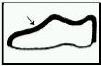
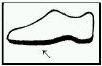
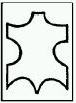
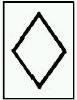
Manufacturers of shoes (sandals, closed shoes, boots) are legally obliged to state the materials used as text or pictograms. Three areas must be labelled: