
-
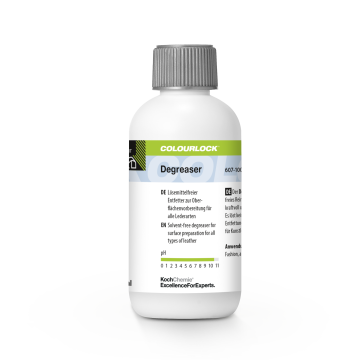
-
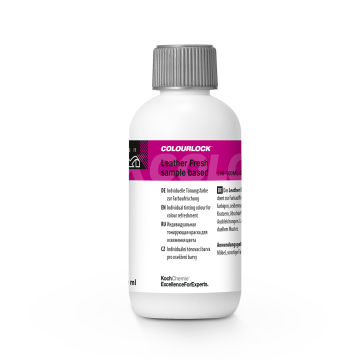 fromCHF 27.00
incl. 8.1% VAT, plus shipping
incl. Swiss VOC levy
-
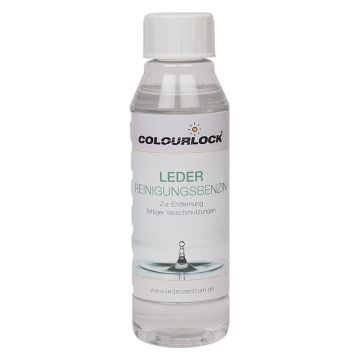 fromCHF 15.00
incl. 8.1% VAT, plus shipping
incl. Swiss VOC levy
Buying guide: Which leather care is right for your car leather?
By leather type
One type of leather dominates in cars: surface-coloured smooth leather with a closed colour coating. More sensitive types of leather, such as Nappa leather or semi-aniline leather, are less common and are mostly used in higher-end interiors. Genuine suede upholstery is practically unheard of in cars. Alcantara or Amaretta, however, is more frequently used on sports seats. It looks like suede but is a synthetic-fibre fabric rather than genuine leather, so it must be cleaned and cared for differently. We also stock products for artificial leather and plastic parts in vehicle interiors, but they are not the focus here. With new vehicles, the initial priority is protection against wear; replenishing the leather’s oils is not yet necessary.
By application
Car seats and steering wheels in particular are subject to heavy use. For regular cleaning and care, a leather cleaner combined with a replenishing leather care lotion is sufficient in most cases; the choice of cleaner depends on the degree of soiling. For new car seats up to three years old, we also recommend a sealant: it protects against abrasion and discolouration caused by clothing. If the driver’s seat already shows colour wear or fine dry cracks, a colour restoration product in the desired colour will help, combined with cleaner and degreaser. On request, we can also mix custom colours from a sample. Scratches, tears and small holes can often be closed at home using Fluid Leather. Stubborn dirt or large rough and brittle areas require more thorough leather cleaning with a stronger binder. Custom colours mixed from a sample or manufacturer’s colour require a delivery time of 7 to 9 working days from the date of order.
Important: There is no product for tyre marks because the tyre oils penetrate too deeply into the colour coating. Only professional reconditioning in our workshop can help in this case, and we will be happy to provide a quotation.
Realistically, our products deliver good results, but you should not expect genuine leather to look like new.
Areas of application in the car
Genuine leather, artificial leather and textiles are often used alongside one another in a vehicle interior, and each material requires its own care. The steering wheel comes into contact with hands every day, so we recommend cleaning it regularly and restoring the colour when necessary. In addition to the steering wheel, signs of wear are also frequently visible on door handles and entry areas. With perforated leather seats, it is important to use products sparingly because of the fine perforations. We offer separate cleaning and care ranges for artificial leather and plastics in the interior as well as for Alcantara upholstery.
Cleaning and caring for car leather: the most important steps
Cleaning and caring for car leather always follows the same basic principle:
- Clean: Use a mild or stronger leather cleaner depending on the degree of soiling. Apply the cleaner to a cloth or microfibre cloth, never directly to the leather. This prevents isolated stains or edges caused by too high a concentration of cleaner in one spot.
- Degrease before repairs: Before any colour restoration or tear repair, also degrease the area with Leather Cleaning Spirit. This is the only way to ensure that repair products adhere properly.
- Care and protect: Protect new leather with a sealant and replenish the oils in older automotive leather every 3 to 6 months. A small amount is enough for the entire surface: too much grease makes genuine leather look greasy and dulls its sheen.
Tip: Always remove cleaning and care product residues with a cloth lightly dampened with water. If the vehicle is stored for a longer period, ensure good air circulation so that drying out does not damage the leather; this also applies to leather parts that have been removed. Details about individual types of damage can be found in our advice guides.
Frequently asked questions about leather in cars
These are the questions our customers ask us most frequently about cleaning and caring for car leather.
What kind of material is car leather?
Car leather is usually surface-coloured smooth leather with a closed colour coating. This colour coating makes the leather robust, but it is also the reason why wear and colour loss become visible.
How often should car leather be cleaned and cared for?
During its first three years, leather in a new vehicle primarily needs protection against abrasion. Older automotive leather should be cared for every 3 to 6 months, and heavily used seats such as the driver’s seat even more frequently. When caring for leather, less applied regularly is more effective than a large amount applied infrequently.
Which types of leather are used in cars?
Smooth leather is the standard. Nappa or semi-aniline leather is used less frequently. Although Alcantara and artificial leather may look similar to genuine leather, they are different materials and require their own care products instead of conventional leather care.
Are household remedies such as gall soap or Nivea Cream suitable for cleaning car leather?
We advise against using household remedies such as gall soap or Nivea Cream to clean car leather. Greasy creams make the surface sticky, while gall soap can damage the colour. Using a specialist cleaner and a pH-neutral leather care lotion is the safer choice for automotive leather.
Can you repair damage to car leather yourself?
Scratches, small tears and colour wear can often be repaired successfully at home using the right products. Our do-it-yourself products are no longer reliably effective for tyre marks or extensive damage; this is where our leather workshop is needed. Please contact us if you have any questions about the right colour or procedure.