
Removing stains from leather clothing
 Download PDF
Leather and stains are not a simple subject. The type of leather, the kind of stain and how long it has been absorbed determine what can be done. This article provides an overview of the most common cases.
The most important rule first
If a stain does not improve after the first or second attempt at cleaning – stop. Persistently rubbing on it or using more aggressive products often causes more damage than the original stain. It is better to ask us first; this often saves a great deal of effort.
Quick test: What kind of leather do I have?
Rub a drop of water into a concealed area. If it beads up: pigmented smooth leather, more robust and easier to clean. If it is absorbed: open-pore leather (aniline leather or suede leather), more sensitive and requiring greater care.
Typical cases
Greasy collars and cuffs
Continuous contact with skin causes body oils and sweat to penetrate deeply into open-pore smooth leather and suede leather, especially at collars and cuffs. Such soiling can only be remedied by washing the entire garment. Before machine washing, soak suede leather in the hand-wash or fixing bath and pre-clean it with a soft brush and Colourlock Leather & Fur Wash Concentrate. For smooth leather, apply the wash concentrate undiluted to the soaked area and rub it in thoroughly. Then continue according to the washing instructions.
Fresh stains on pigmented smooth leather
Pigmented smooth leather is surface-sealed, so a drop of water beads up. Fresh stains can usually be removed easily: dilute Leather & Fur Wash Concentrate with water at a ratio of 1:5 to 1:10 and apply it with a sponge or cloth. Then care for and protect the leather again with Colourlock Care & Waterproofing Oil.
Grease and oil stains on open-pore leather (aniline and suede leather)
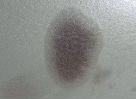
Treat fresh grease or oil stains immediately with Colourlock Grease Absorber Paste. This works well if you act quickly. Grease stains that have been absorbed can hardly be removed completely. In this case, washing the entire garment is the cleanest solution.
Water-based stains (cola, coffee, red wine, beer) on open-pore leather (aniline and suede leather)
Water-based stains are quickly absorbed by open-pore leather and form rings. Cleaners generally only make the stain bigger, not smaller.
The right solution: wash the entire garment according to the washing instructions; this prevents new rings and washes the stain out completely.
Dirt on suede leather
Dust and dry dirty areas on suede leather can often be removed by brushing or with the Colourlock Nubuck Eraser Block. Always brush in one direction, not in circles.
Ballpoint pen
First apply painter's tape several times and pull it off sharply; this removes ink that is still liquid without making the damage worse. On pigmented smooth leather, treat residual stains with the ballpoint pen remover pen. On suede leather, carefully sand the area with the Colourlock Sanding Pad. Stop in time; complete removal is not always possible.
What this article does not cover
Stains and soiling come in countless variations. Types of leather and stains combine in hundreds of ways. If your case is not described here or the first attempts have no effect, contact us directly. We will advise you free of charge.
Product recommendations
There is no single purchase recommendation for this article; the right product depends on the leather and the stain. Follow the product links in the individual sections, use the product finder or ask us directly.