Treating mould on car leather
 Download PDF
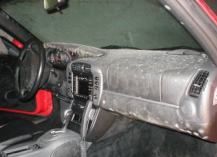
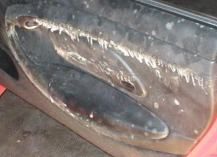
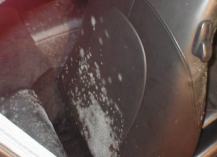
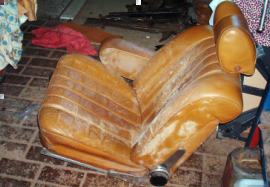
An unpleasant smell or a grey coating on the leather seats? Mould is usually the cause. Whether treatment at home makes sense or reupholstery is unavoidable depends on the extent of the infestation. This article explains the difference.
How does mould develop on leather?
Mould generally develops through incorrect storage: excessive humidity, insufficient air circulation and warmth strongly encourage the growth of fungi and bacteria. Ideal storage conditions for leather are room temperature and humidity of 40 to 60 per cent with sufficient ventilation. Humidity permanently above 70 per cent is critical.
Convertibles are particularly at risk. A wet vehicle parked closed in an underground car park is an ideal breeding ground.
Light infestation vs. severe infestation – the crucial distinction
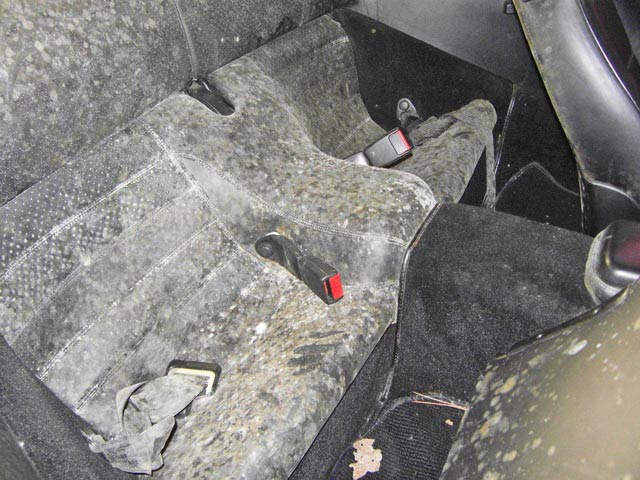
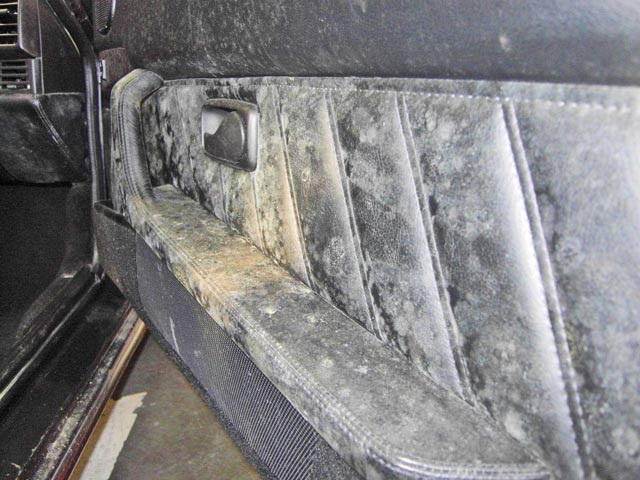
Light to moderate infestation (a few months of incorrect storage, mould visible only on the leather surface): Can be treated well with the products described below. The smell can often be eliminated completely as well.
Severe infestation (several years, mould over a large area and deep in the upholstery core): In these cases, no external treatment will help. The upholstery core is permeated with mould threads; every use of the upholstery blows spores and odour into the interior. Masking the odour with perfume or fragrances does not work: it only creates a mixture of both smells. The only solution is complete replacement of the upholstery core and leather.
Black mould: Black mould infestation in the upholstery material can no longer be remediated. Reupholstery is essential; please do not attempt treatment at home in this case.
Procedure for light to moderate infestation
Step 1: Clean over a large area
Clean all leather surfaces with Colourlock Leather Cleaner strong.
IMPORTANT: Most mould is invisible. Therefore, areas that look clean must also be treated. This applies to the entire interior, including frames, trim, headlining and carpets.
Step 2: Kill mould spores with vinegar essence
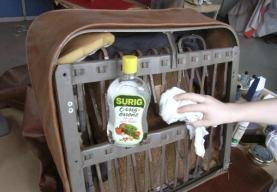
Mix commercially available transparent vinegar essence (25% acetic acid) with water at a ratio of 1:1 and wipe all leather and interior surfaces with it. Again, not only the visibly affected areas, but all areas.
Why vinegar essence? It reliably kills mould spores without damaging leather. It also corrects the pH value of the leather: after tanning, leather is acidic. This value shifts as it ages, making the leather less stable. Vinegar essence corrects this and also cares for the leather in the process.
Step 3: Smell test
After treatment, leave the vehicle closed in the sun for several hours. Immediately smell the heated interior when opening it.
No more smell = problem solved.
Slight residual smell = repeat treatment or neutralise the smell with Colourlock Fresh Up.
Smell all surfaces and narrow down the source of the odour: does it come from the upholstery, or has moisture collected under the carpet? Only when the source has been identified and eliminated will the vehicle remain odour-free permanently.
Step 4: Care with synthetic products
After treatment, the choice of care product is crucial. Care products based on vegetable or animal fats and oils can act as a breeding ground for renewed mould infestation. Therefore, use only synthetic products.
For normal leather, Colourlock Leather Care is sufficient; it penetrates the leather well, replenishes it and contains antioxidants that slow down leather deterioration. For particularly dry leather or continued unfavourable storage conditions, additionally apply Colourlock Elephant Leather Preserver. It seals the surface more strongly and provides additional protection.
Use both products sparingly and regularly. For stored vehicles, annual care is sufficient. For vehicles in use, apply two to four times per year, depending on age and wear.
Colour damage after treatment
If colour damage is visible on the leather after mould treatment, read our guide Repairing colour damage to car leather.
Prevention during the next storage period
Exact measurement of temperature and humidity is not necessary, but clearly unfavourable storage conditions should be avoided. Never store convertibles when damp and closed, and always ensure air circulation.
When is reupholstery unavoidable?
For severe or black mould infestation, or when the smell remains in the upholstery core despite intensive treatment, complete replacement is the only solution. We will be happy to advise you – Send workshop enquiries with a photo –.
Product recommendations
This guide deliberately does not recommend a single product combination; the extent of the infestation determines what is needed. If you have questions about the correct procedure, contact us directly.
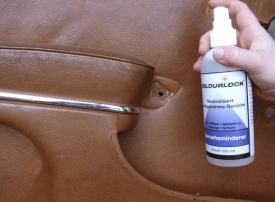
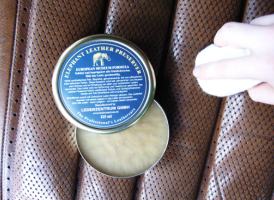
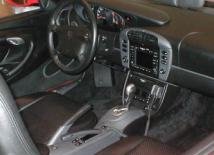
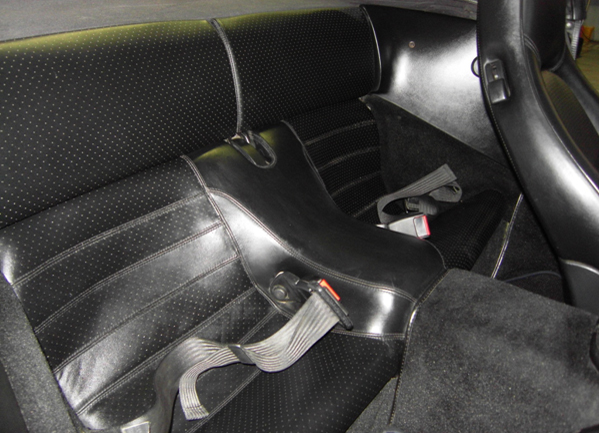
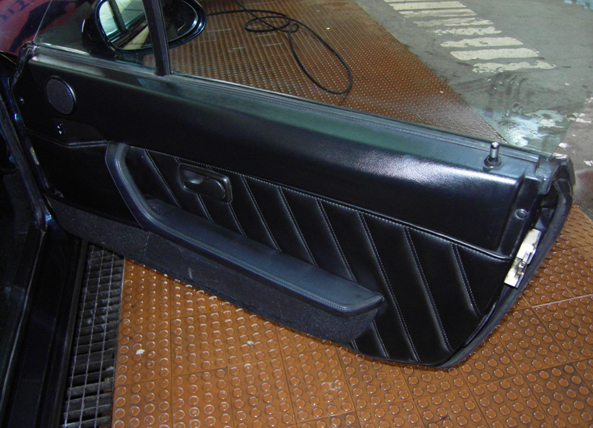
Bottom row: treatment with FreshUp and subsequent care with Elephant Leather Preserver