Frequently asked questions about car leather
 Download PDF
Cleaning, care, product choice: anyone looking into it for the first time finds that the subject is more complex than expected. This page answers the most common questions; for further questions, we are happy to assist you personally.
What is car leather?
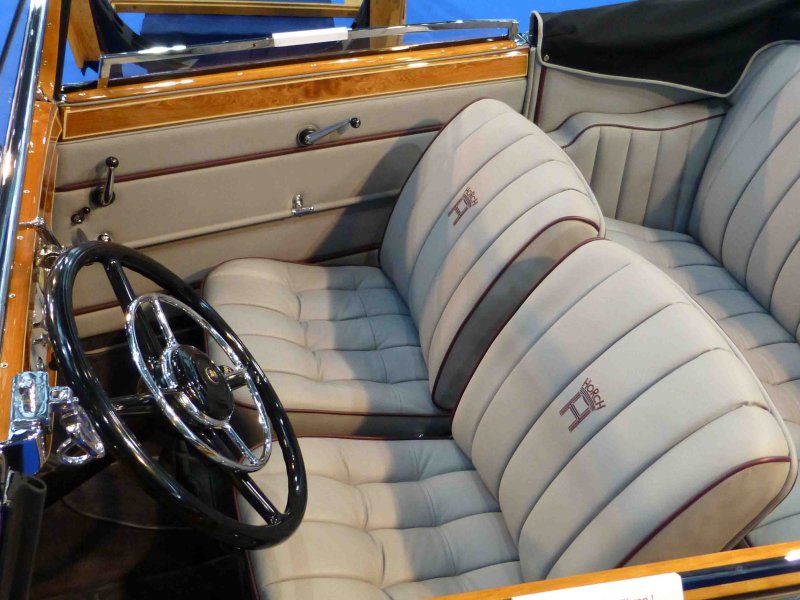
Car leather is 99.9% surface-dyed smooth leather. This means that a pigmented colour layer seals the surface and protects the leather against wear and moisture. In earlier decades, predominantly vegetable-tanned leather was used. Today, chrome-tanned and synthetically tanned leather, which is softer and less expensive to produce, predominates.
For cleaning and care, the tanning method is not decisive. What matters is the age and condition of the leather.
Does car leather need cleaning and care?
Anyone wishing to keep their leather attractive for a long time should regularly clean and care for it. Dirt and dust make the surface dull and accelerate wear. Hand sweat attacks steering wheels, gear knobs and grab handles. Cleaning ensures that dirt and dust do not settle on the surface. Leather contains lubricating substances that diminish over time. Care restores this moisture, prevents brittleness and protects the surface.
Are there good and bad care products?
Yes, there are good and bad care products. The greatest danger is products intended for another purpose: a wheel cleaner makes leather clean in the short term, but damages it in the long term through its strongly alkaline composition. Other cleaners not explicitly intended for leather can also harm it, because their composition is not tailored to the nature of leather.
Care products based on animal fats are unsuitable; perishable oils oxidise (become rancid) and harm leather more than they benefit it.
All reputable suppliers of leather-care products do not damage leather in its normal state. However, there are quality differences: higher-quality products are formulated more carefully and protect for longer. In any case, it is advisable to use specialised products rather than universal products from a DIY store.
What is the best care?
The best care is gentle handling and regularity. Leather is fundamentally very robust, but anyone who permanently exposes it to the sun without protection, pushes heavy, sharp-edged objects over the upholstery and leaves them on the leather, or lets soiling dry in, will have to invest in reupholstering sooner. With regular cleaning and care, a very long service life can be expected.
What should be considered when cleaning?
An application video about the particular features of cleaning vehicle leather.
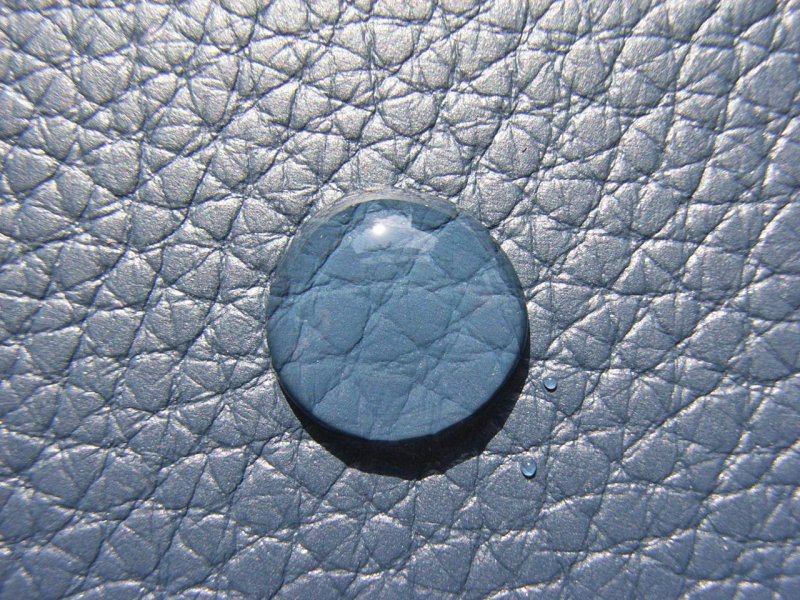
- First, the water-drop test:
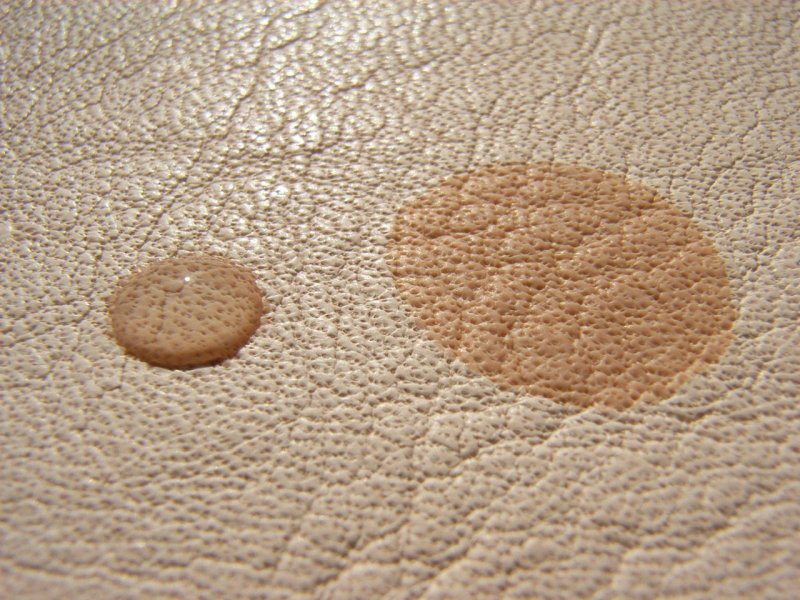
For unknown leather, always first apply a drop of water to a concealed area. If it is absorbed, it is open-pore leather (e.g. aniline or suede leather). This is more sensitive and requires gentler products. It is best to contact us first or look at the relevant instructions in the furniture-leather category. If the water drop beads up, the leather is surface-sealed and tolerates normal cleaners. - Choose the cleaner according to the degree of soiling:
Colourlock Leather Cleaner mild for everyday dirt, Colourlock Leather Cleaner strong for visible deposits. The Leather Cleaning Brush is recommended for deep cleaning of the pores. - When cleaning and caring for leather, always work from seam to seam. This prevents visible transitions.
- Perforated leather:
Never clean too wet. Moisture that passes through the holes can attack the upholstery. A lightly dampened cloth is sufficient. Please read the handling of perforated leather here. - Do not clean in the sun:
Moisture that dries quickly in direct sunlight can leave deformations that can no longer be corrected. - The leather looks clean. Does it need to be cleaned at all?
This is easy to test. Dampen a light-coloured cloth with a leather cleaner and wipe it over the driver's seat surface. If the cloth becomes visibly dirty, more thorough cleaning is necessary. If the cloth remains clean, wiping with a damp cloth is sufficient (similar to dusting). This applies to all surfaces in the automobile. - Leather must not be cleaned too wet. Although almost all car leather has a protective colour layer, older leather is often brittle and thus becomes more open-pore. To prevent this leather from soaking up cleaners and becoming harder, it should be cleaned with a cleaning foam. Remove cleaner residues with a wrung-out, damp cloth.
What type of leather do I have? The water-drop test provides clues.
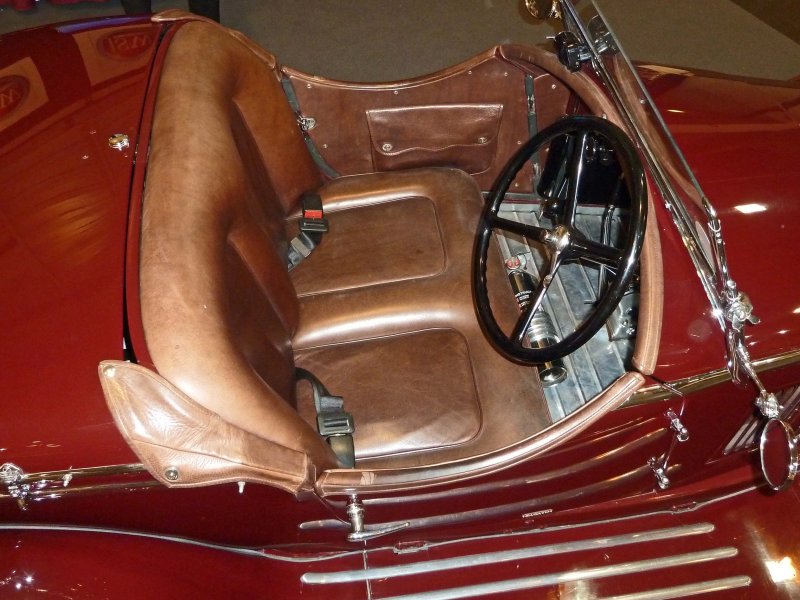
What should be considered when caring for leather?
There are many different leather conditions and many different leather-care products. Because a care product is intended to preserve the condition, there is no visible success as there is with cleaning. You have to trust the effect. Often, the effect of care is at least noticeable because the leather feels more supple after care.
- How do I recognise the need for care?
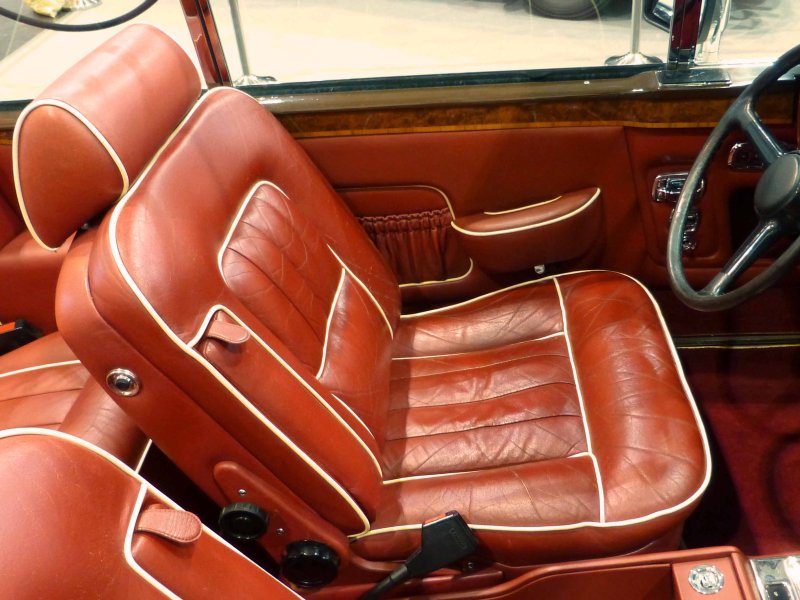
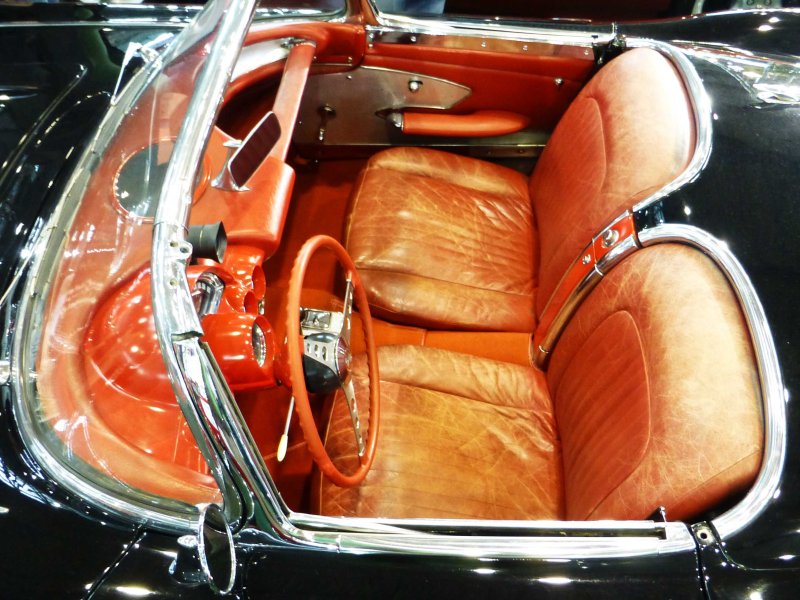
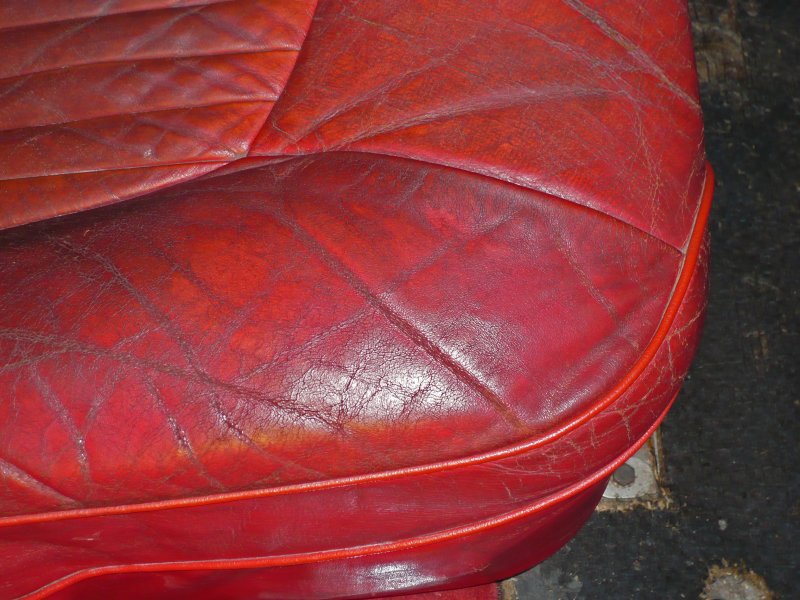
New vehicles or classic cars whose leather upholstery has been renewed have factory-new leather. New leather generally does not need care. However, lighter new leather sometimes tends towards denim colour transfer, and frequently used vehicles tend to show signs of wear. There is a sealant for new leather that reduces these problems. With older leather, you need to look more closely. Flawless older leather should be cared for sparingly every 6 to 12 months to maintain this condition. If leather is stiff, dull and feels dry, a lack of care is likely. There are no clear criteria, but touching and comparing the leather in different vehicles quickly gives you a feel for how well the leather is doing.
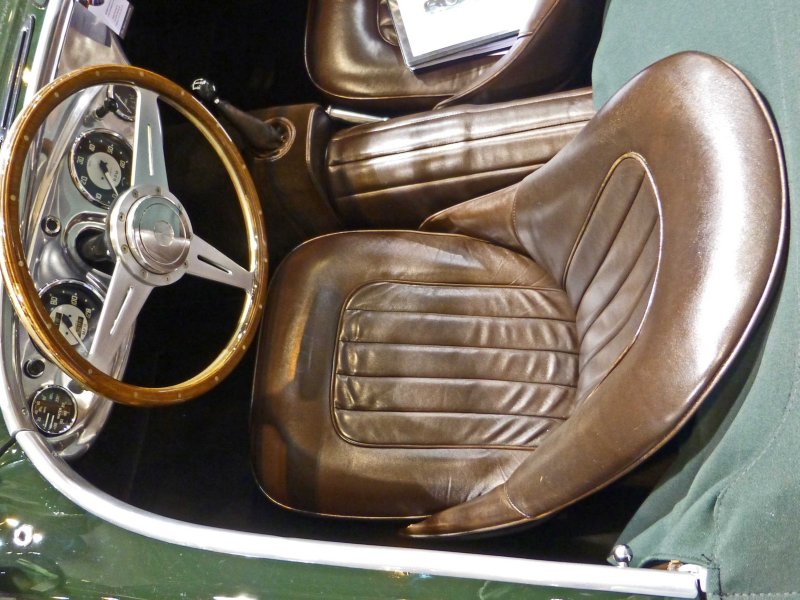
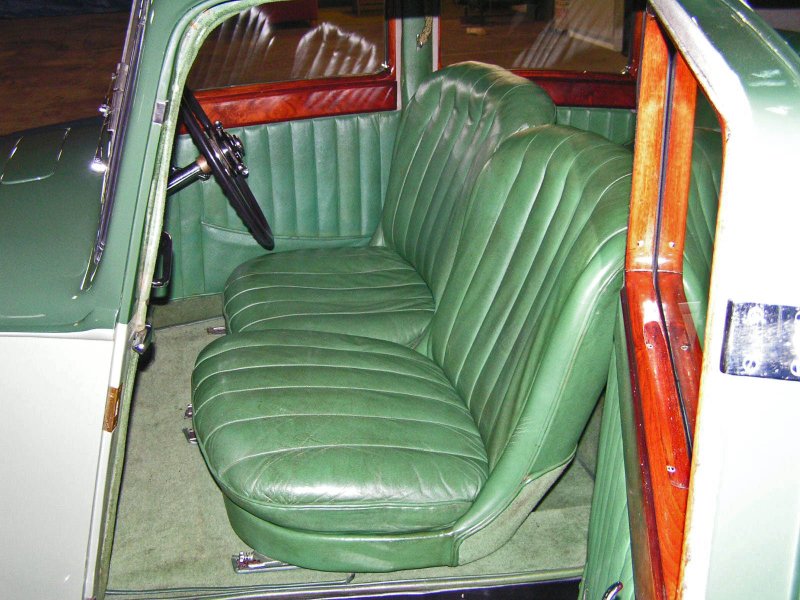
- What should I use to care for older leather?
Classic leather-care products range from leather grease, leather oil and leather balm to care milk. Oils and fats are pure products and therefore strongly replenish leather. Such products are overdosed for normal care. A balm or care milk is an emulsion with water. Without a particular reason, the replenishing substances in Leather Care are sufficiently dosed to keep vehicle leather supple. Leather Care is thin and therefore penetrates leather very well. Elephant Leather Preserver protects the surface more, but that surface is also more heavily stressed. Leather Care is tailored to matt leather. Elephant Leather Preserver tends to promote gloss. - How often and how much care should be applied?
Car leather is more often cared for too rarely than too often. For leather in good condition and seasonal use, care every 6 to 12 months is sufficient. If the leather is more heavily stressed or frequently used (daily vehicle), at least the driver's seat should be cared for more often (every 3–6 months). Under no circumstances should you over-care it out of a guilty conscience. If leather is cared for too often and too heavily, it can become greasy and oily. The golden rule is therefore: better regular, sparing care than infrequent overdosing! - How does my leather remain nicely matt?
Newer car leather is very matt, but sometimes older leather is too. Through use, leather becomes polished and in particular the most-used driver's seat and steering wheel become shinier or greasy. Matt leather has a matt appearance because its surface is roughened under a microscope and light is reflected diffusely. Shiny leather has parallel reflection. When leather becomes greasy and polished over time, it loses its roughness and thus its matt appearance. To keep leather matt, clean it well and never care for it with strongly oiling or greasing products. Leather Care for matt leather is then the best choice. Never polish the leather afterwards. Carefully wipe excess care product from such leather with a cloth lightly dampened with water. This retains the maximum matt finish.
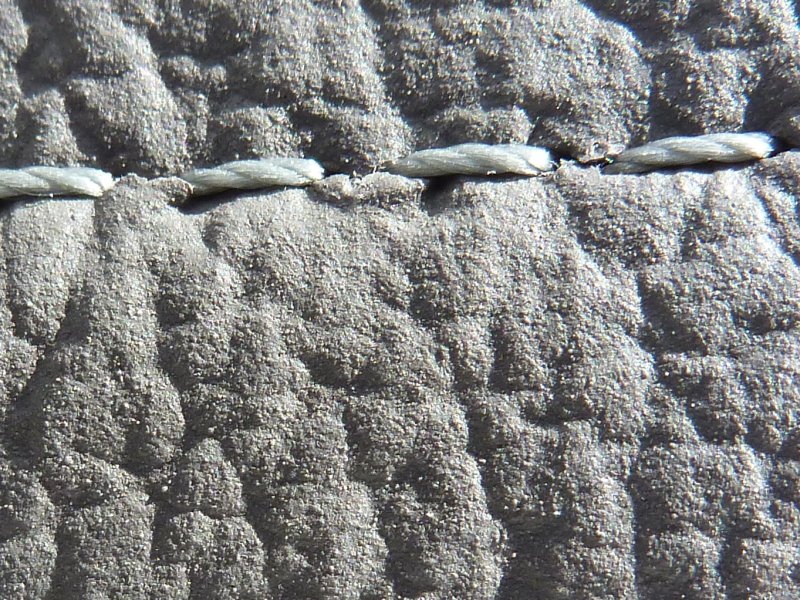
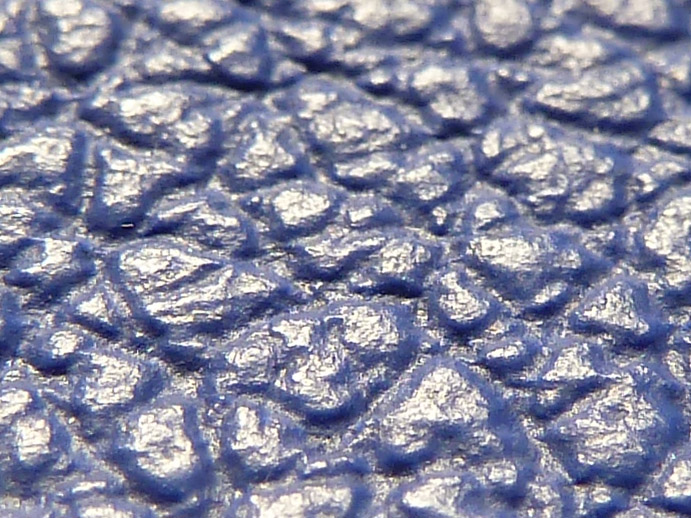
A video about cleaning and caring for greasy leather.
- Does car leather need UV protection?
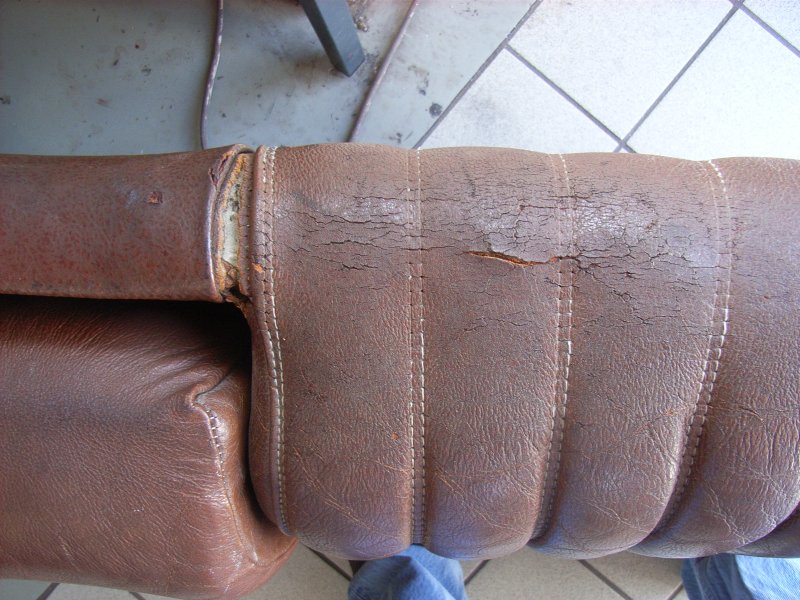
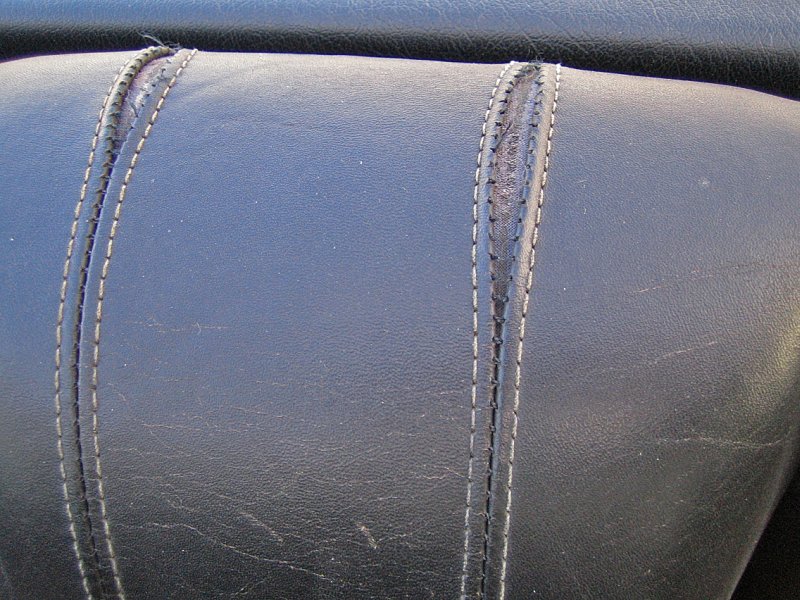
Sunlight damages all materials over time, whether car paint, the hood or the leather interior. The best protection is therefore to avoid permanent, intense sunlight. Car leather rarely fades, but the sun's heat warms the leather and makes it age faster. In the worst case, it even shrinks. The UV protection in Leather Care provides valuable additional protection here.
- What can be done with hardened leather?
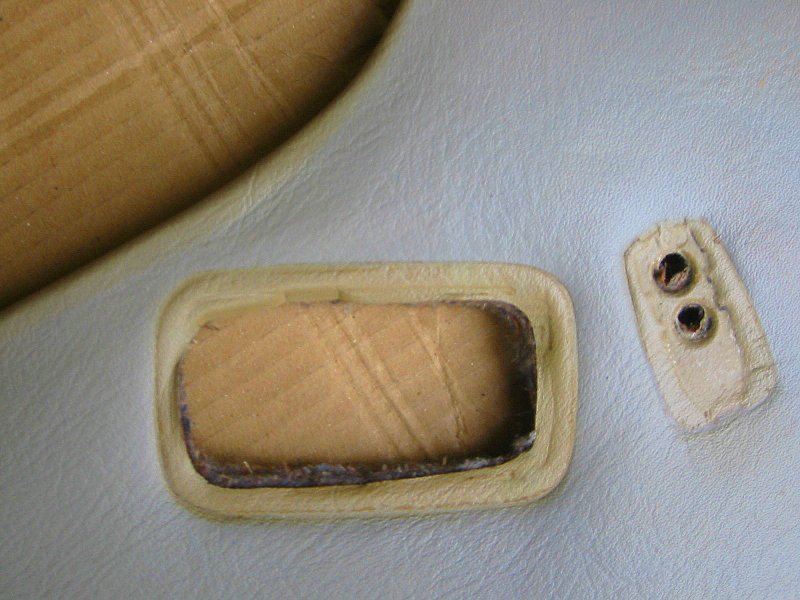
For leather hardened through age but not yet shrunk through heat, there is Old Leather Softener. It contains particularly thin oils that must be applied several times. The leather also needs to be kneaded. For such treatments, please find out about the exact procedure in advance. - Do care products penetrate the leather through the colour layer at all?
Unlike artificial leather, even more heavily surface-dyed car leather is breathable. Therefore, leather care always penetrates the leather. The older the leather, the more affected its surface and the better care also penetrates. Old leather in particular is more likely to be dry right through. Therefore, need goes hand in hand with absorptive capacity. New or well-preserved leather does not yet need replenishment in the fibre structure; surface protection is sufficient. - How long must I wait before I can sit in the car again?
Care products should always be used sparingly but regularly. After a sparing application, they are absorbed quickly and also dry quickly. Once this has happened, the surfaces can be used again. At pleasant temperatures, this takes less than 15 minutes. On cold days, wait a little longer because drying takes longer. - How important is waterproofing?
Leather waterproofing serves exclusively to make surfaces water-repellent and contains no replenishing substances. Car leather needs replenishment to remain supple, and a raindrop rarely reaches the leather and would not penetrate the protective colour layer anyway. Waterproofing is therefore more relevant for shoes, bags, jackets and motorcycle suits because they are directly exposed to the weather. Among the factors that age car leather, liquid penetration plays a very minor role. Care should be able to penetrate the fibre structure so that the necessary replenishment can be ensured. Waterproofing can act as a barrier here. Leather grease also waterproofs, but liquefies in warmth, then penetrates the leather and becomes part of replenishment. - Do unwanted pressure marks, creases and bulges disappear through care?
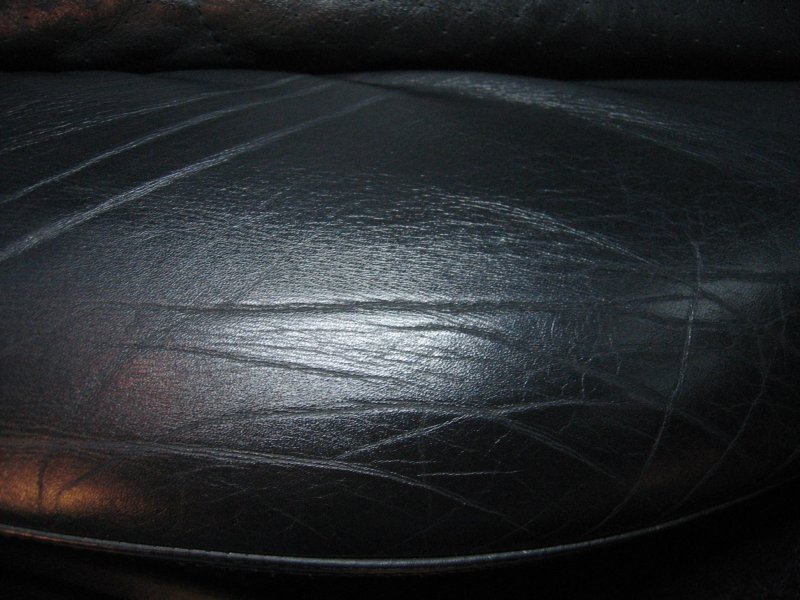
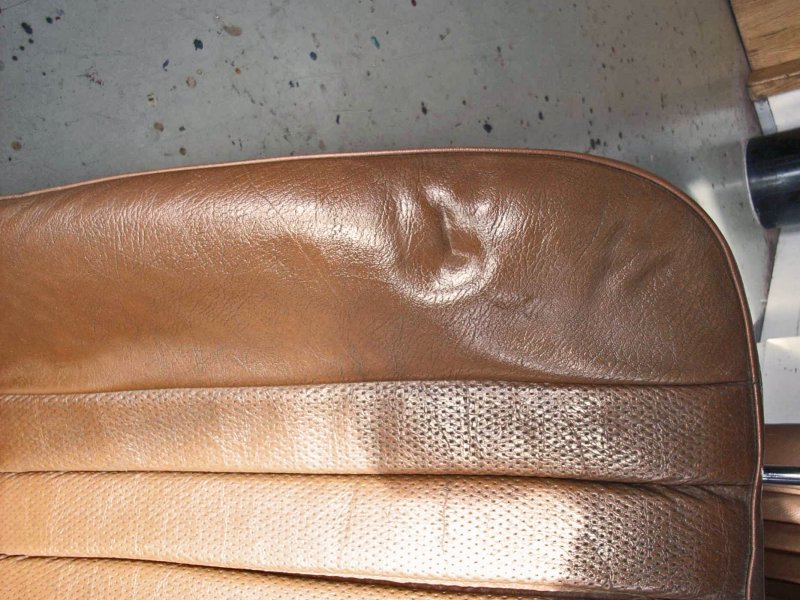
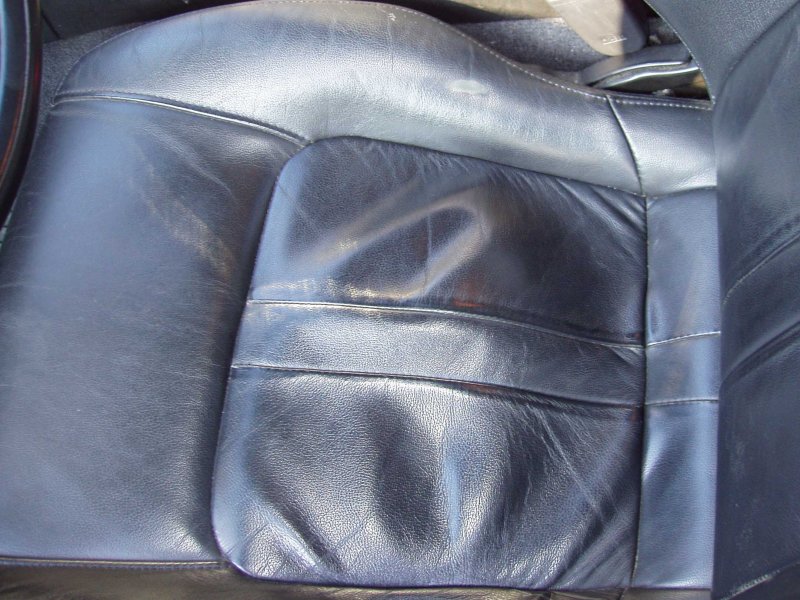
Creases and bulges are usually a natural process of change as leather ages. As long as the signs do not become too pronounced, they are part of this natural product. Care cannot change creases and bulges either. The fibre structure in these areas is permanently overstretched or creased and cannot be stiffened or drawn back again. For pressure marks, replenishment and pushing out through warming and massaging can have a positive effect and activate the restorative forces of the fibres, especially if the pressure has not stressed the leather for too long.
- What should I consider during longer periods of inactivity?
Vehicle leather is actually an undemanding material. Overwintering at the roadside does not harm leather. It can only be damaged during long storage in extreme conditions. Very dry air would dry out leather. Therefore, humidity of 50 to 70% with sufficient air circulation is optimal. Without air circulation, 70% humidity is already critical for mould infestation. Therefore, during periods of inactivity in more humid air, ensure that a window is slightly open. In dry air, care should occasionally be reapplied to avoid drying out. In any case, it also makes sense to visually inspect the condition of the vehicle several times a year. Is there still pressure in the tyres? Does the vehicle smell musty? Have mice nested in it that like to nibble leather? The optimal storage temperature for leather is 15–20°C. Permanently lower temperatures are not a problem, however. Leather is more stressed by constant changes in humidity and temperature or by permanent sunlight. Constant conditions, regular visual inspection and occasional care treatment are the best preservation method. When storing removed upholstery parts, avoid pressure marks. Particularly during long storage periods, they can leave a lasting impression like leather embossing! - Does leather care harm artificial leather?
Artificial-leather parts are often indistinguishable from genuine leather, and both materials are often combined in a vehicle. For cleaning, it makes no difference whether leather cleaner is used on leather, artificial leather or plastics. Because leather is the more sensitive material, other materials are not damaged. Not every artificial leather or plastic tolerates permanent, intensive greasing. Oils and fats cannot make hardened plastics soft again either. Occasional care does no damage, however. Therefore, do not over-care unknown materials and do not administer leather care as medicine to hardened artificial leather or plastics. Artificial leather and plastics cannot be made soft again. For problem cases, use only products offered for these materials. - Does cleaning and care change the patina of leather?
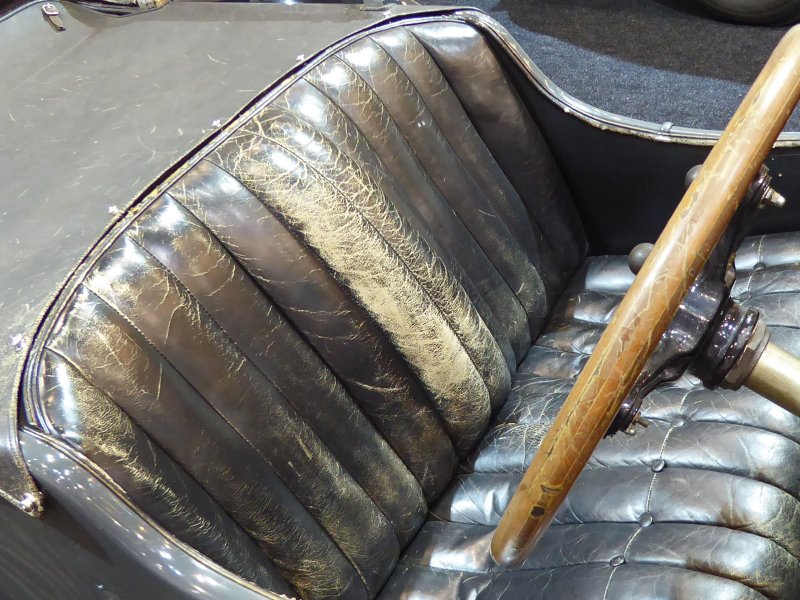
Patina means a change in a material through ageing that is seen as enhancement rather than damage. More modern leather is through-dyed, and abrasion and wear reveal a similar colour in the damaged area. Such areas are then usually not seen as patina, but as damage. The vegetable-tanned leather used in the past was not through-dyed, but retained a light natural shade under the colour layer. When the upper colour layer is rubbed away through use and wear, this becomes visible. This often creates an age-appropriate patina that is not seen as a flaw.
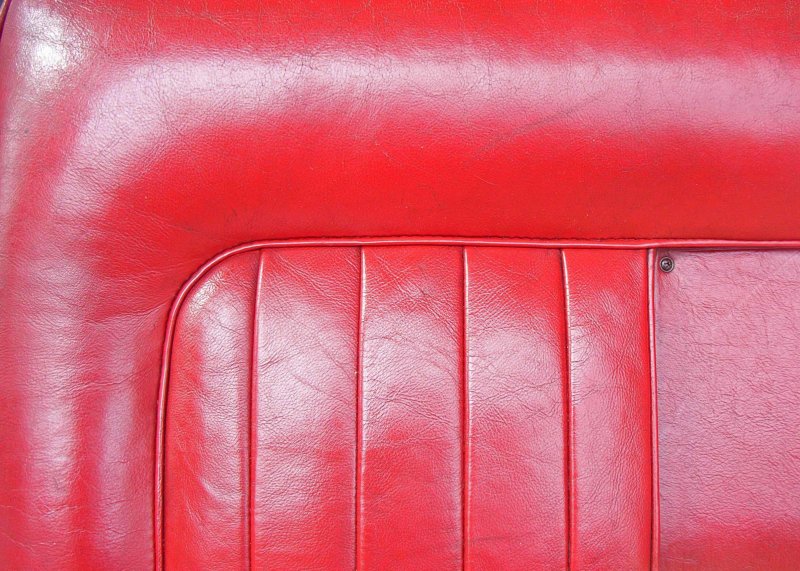
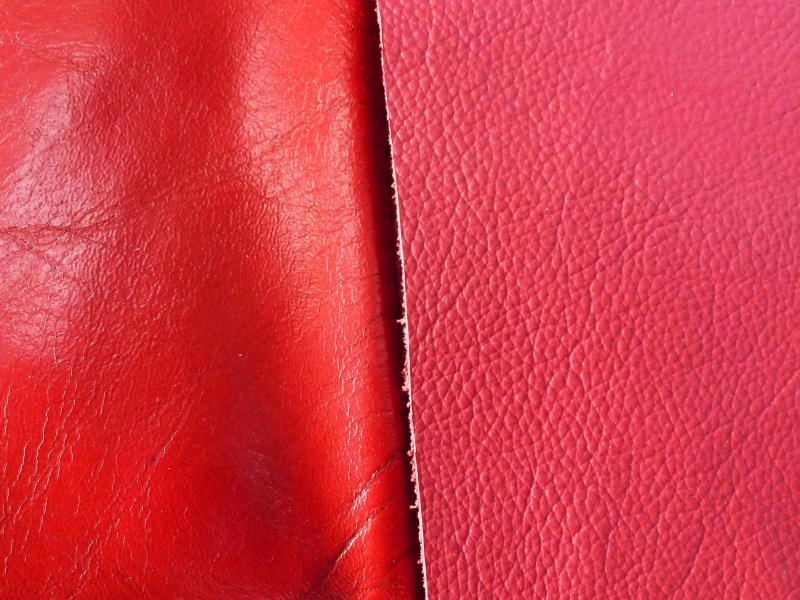
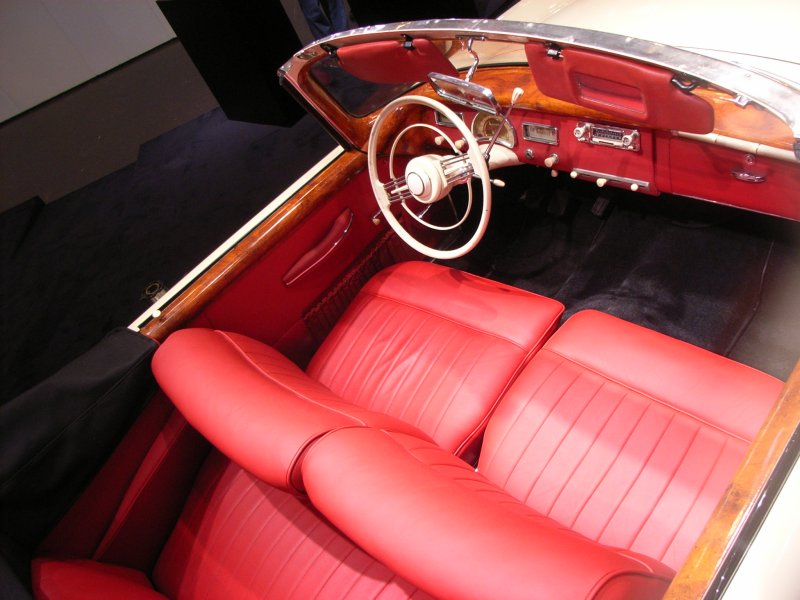
Patina is only affected by cleaning if it was caused by dirt on the leather rather than wear. There are indeed leathers that acquire an attractive patina when soiled. Leather care influences the appearance of patina only through its preserving effect. In particular, regular care of already weakened leather can preserve the achieved appearance for as long as possible.